
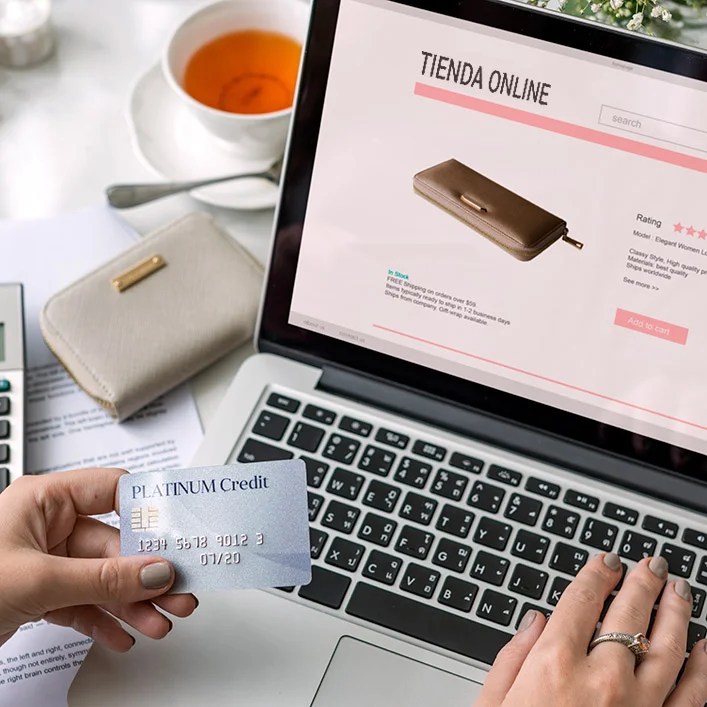
In the world of e-commerce, online store design is about much more than aesthetics: it involves functionality, user experience, and sales strategy. A poorly structured online store can drive customers away, while a well-designed one guides visitors toward making a purchase.
Below, we’ll explore the key elements an online store needs to stand out from the competition and increase sales.
1. A Professional First Impression
The visual appearance of an online store should convey trust. Blurry images, inconsistent typography, or poorly matched colors can immediately discourage potential customers. Use a consistent color palette, readable fonts, and high-quality photographs while always keeping image file sizes optimized.
Also, make sure your visual identity is clear: your logo, brand name, and overall style should work together consistently.
2. Responsive and Adaptable Design
More and more people are shopping from their smartphones. A good design should adapt seamlessly to mobile devices, tablets, and laptops. Make sure buttons are easy to tap, images don’t become distorted, and navigation remains smooth across all devices.
3. Intuitive Navigation
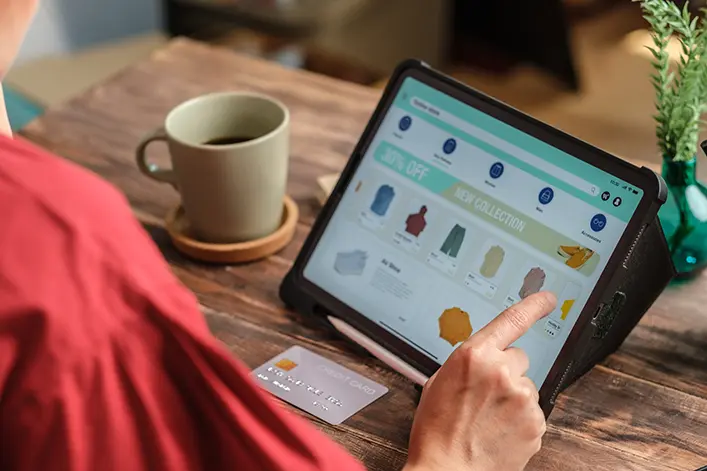
Your store should be easy to browse. Make sure that:
- The menu is visible and easy to understand.
- Search and filtering options work properly (whether customers are filtering by category, price, size, or other attributes).
- The checkout process has as few steps as possible and remains clear throughout.
4. Clear Visual Hierarchy
Organize your information so visitors can easily understand what you sell, how they can purchase it, and what advantages you offer. Some useful practices include:
- Highlighting popular or discounted products.
- Using large headings and subheadings to guide visitors.
- Using white space to prevent the interface from feeling cluttered.
5. Fast and Lightweight Loading
Loading speed is essential. Every second of waiting can potentially mean a lost sale. Optimize your images, remove unnecessary scripts, and choose a fast and reliable hosting provider. Tools such as Google PageSpeed Insights and GTmetrix can help you identify areas for improvement.
6. SEO Optimization
Online store design should also take search engine optimization into account. Use clear titles, descriptions with relevant keywords, and ALT attributes for your images. This not only improves your visibility on Google but can also attract higher-quality organic traffic.
7. Trust and Security Elements
Displaying secure payment badges, return policies, contact information, and verified reviews can make the difference between completing a sale and abandoning a purchase.
Avoid intrusive pop-ups or annoying advertisements. When it comes to building trust, less is often more.
8. Effective Calls to Action (CTAs)

Phrases such as “Buy Now,” “Add to Cart,” or “View Details” should be clear, visible, and well positioned. Their color and design should make them stand out without disrupting the overall visual harmony of the store.
9. A Well-Designed Product Page
Each product should have its own page featuring:
- High-quality images, ideally from multiple angles.
- A clear and persuasive description.
- A visible price.
- Customer reviews or ratings, when available.
- A prominent purchase button.
10. Design Aligned With the Product
Selling clothing is not the same as selling furniture. Every type of online store requires a design adapted to its category. For example:
- Physical products: multiple images, clear descriptions, weight, dimensions, and other relevant specifications.
- Services: testimonials, benefits, and compelling copywriting.
Online Store Design Is Critical for Building Trust and Driving Sales
Online store design is not simply an “extra.” Making your store easy to navigate can be decisive when it comes to increasing sales. Remember that online visitors often decide within seconds whether to stay or leave.
Investing in a clear, fast, and professional structure is a strategic decision, not merely an aesthetic one.
